
Brazil 2027: Commercial Opportunities Beyond the World Cup
The 2027 Women's World Cup will be one month of soccer and a decade of market growth. Brands that understand this will build an edge; those that buy only the tournament will pay a premium.
Reviewed translation. Original language: Spanish.
One Tournament, Two Markets
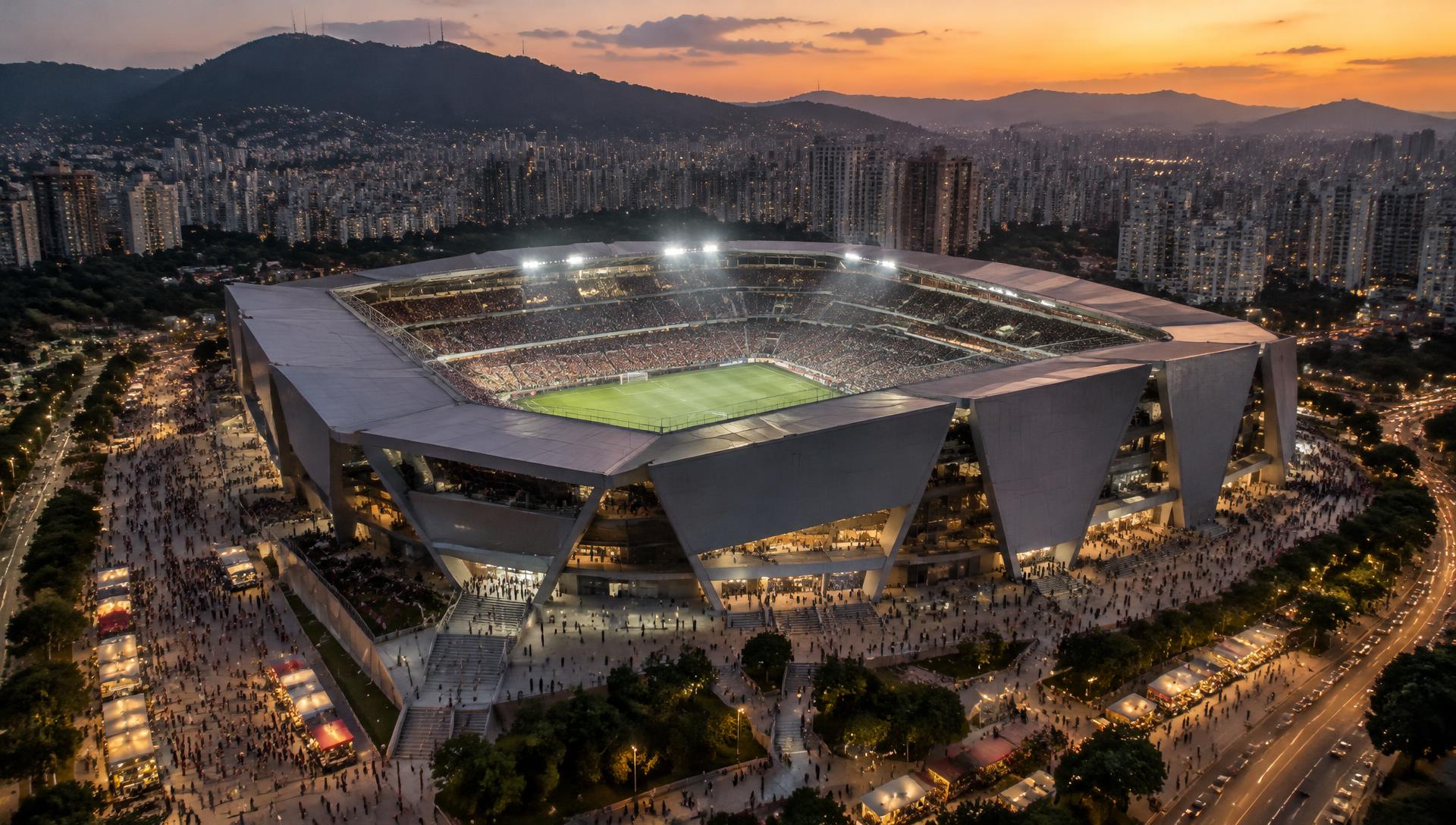
Brazil will host the 2027 FIFA Women's World Cup, the tournament's first edition in South America. For brands, this opens two distinct markets that should not be conflated. The first is the tournament itself: four weeks of concentrated global viewership, with commercial inventory controlled by FIFA and priced accordingly. The second is the Brazilian women's soccer market that the tournament will accelerate: leagues, clubs, players, media, and consumer spending that exist before and will continue long after the final whistle.
The primary strategic decision is which of the two markets the brand will enter, as the rules, costs, and timelines are entirely different.
What FIFA Controls (and What It Doesn't)
FIFA zealously protects its intellectual property: the official tournament name, emblems, trophy, tickets, and any words or imagery suggesting an official association are reserved exclusively for licensed commercial partners. Unlicensed brands cannot use these assets in advertising or on social media, and ambush marketing—insinuating an official link without paying for rights—exposes companies to legal action and campaign shutdowns. Brazil also has specific legislation safeguarding major sporting events that has been strictly enforced during previous World Cups.
What FIFA does not control is equally critical: clubs, domestic leagues, players (barring specific clauses in their national team contracts), media outlets, and public discourse. An unlicensed brand can legitimately sponsor a called-up player, a Brazilian club, or a media outlet covering the tournament, provided it does not use official trademarks or imply it is an event sponsor. This lawful, legitimate territory is where mid-market brands capture the vast majority of their value.
A Market Already in Motion
Brazilian women's soccer is not waiting for 2027. The CBF announced a new calendar for women's soccer starting in 2026, featuring more match dates and improved competition structures, while broadcasts of the women's Brasileirão are secured under a multi-year agreement between the CBF and Globo. For a brand, this means high-quality inventory—clubs with televised audiences, players with massive social media followings—already exists and remains priced well below its peak World Cup valuation.
The early-entry rationale mirrors that of any growth market: securing an asset prior to the catalyst event locks in today's rates for tomorrow's reach. Waiting until tournament year means competing against peak commercial budgets while navigating strict FIFA IP boundaries that curtail available inventory.
Projected Economic Impact Is Not Revenue
Over the coming months, headline projections will tout the World Cup's "economic impact" on Brazil: tourism influx, job creation, induced consumer spending. These macroeconomic estimates assess host-city economies, not revenue that any single brand or club will capture. A brand justifying its investment by citing total tournament economic impact is making the classic error of valuing a single stock by a country's GDP. The relevant question remains microeconomic: what audience does the activation reach, and with what measurable conversion?
Activations That Outlast the Tournament
Historically high-performing activations at mega-events share three hallmarks. First, early launch: a platform activated in 2026 enters 2027 with an established, proprietary community rather than rented attention. Second, local authenticity: grassroots community programs, direct tie-ins with Brazilian clubs, and Portuguese-language content featuring authentic domestic voices, rather than translated global playbooks. Third, durable legacy: investments in infrastructure, training academies, or content properties that continue delivering commercial returns in 2028.
The IDB's approach to women's soccer as a socioeconomic development vehicle models this exact mindset: the enduring asset is the lingering infrastructure, not the transient spectacle. Brands can apply this identical commercial principle: sponsoring a youth development league that endures long past the tournament delivers substantially more equity than thirty days of stadium perimeter boards.
Legacy: The 2028 Horizon
The history of sporting mega-events proves that legacy never occurs through inertia; it happens because someone budgeted for it. For brands, the commercial translation of that lesson is to ring-fence a portion of the 2027 budget today for continuity in 2028, when market pricing recalibrates while residual fan engagement remains elevated. The most cost-effective competitive edge of the entire cycle lies in the twelve months following the final, not the thirty days of match play.
Related reading from Upright City Intelligence: "The Economics of Women's Sports in South America" and "Audiovisual Rights in Latin American Women's Sports."
Sources
Turn this insight into a commercial strategy.
Speak with Upright City about sponsorship, market entry and partnerships in women's sport.
Let's Talk BusinessTwice-weekly intelligence on women's sports, sponsorships, and commercial opportunities.